What We Do

Services

Here's the concrete work we take on most, from a new driveway to fixing one that's already cracked.

HomeServices

Everything we take on

Every job below is one we do ourselves across Shreveport.

Concrete Driveways

We pour driveways with a compacted gravel base and a slope that moves water away from your garage instead of toward it. We cut control joints at the right spacing so the slab cracks in a straight line instead of wherever the clay decides.

Concrete Patios

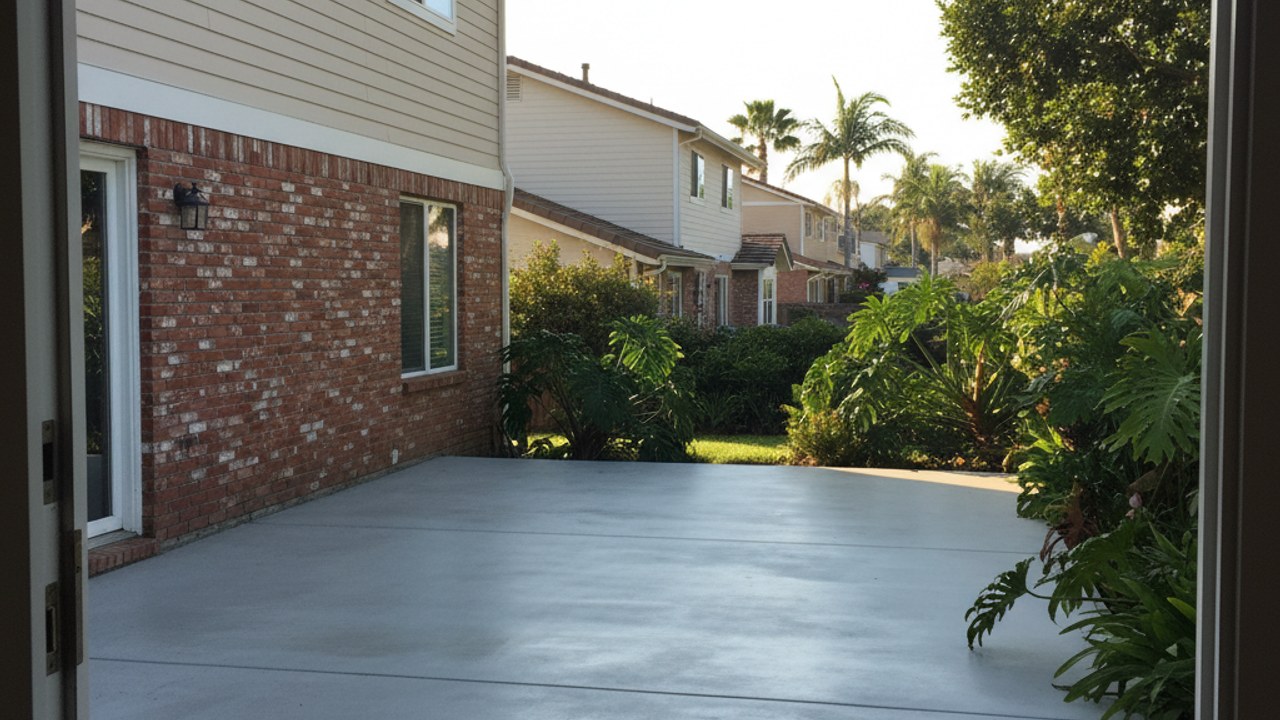
A patio slab needs the same base work as a driveway, even though it carries less weight. We finish the surface broom-swept or troweled smooth, and slope it away from the house so it doesn't send water under your siding.

Stamped Concrete

Stamped concrete gets you the look of brick, slate or flagstone at a fraction of the cost and upkeep. We color and stamp the slab while it's still workable, then seal it to protect the finish from Louisiana sun and rain.

Concrete Repair

We fix cracked slabs, spalled surfaces and settled sections instead of just skimming a patch over them. If a section has sunk because the sub-grade washed out underneath, we address the base, not just the top.

Concrete Slabs & Foundations

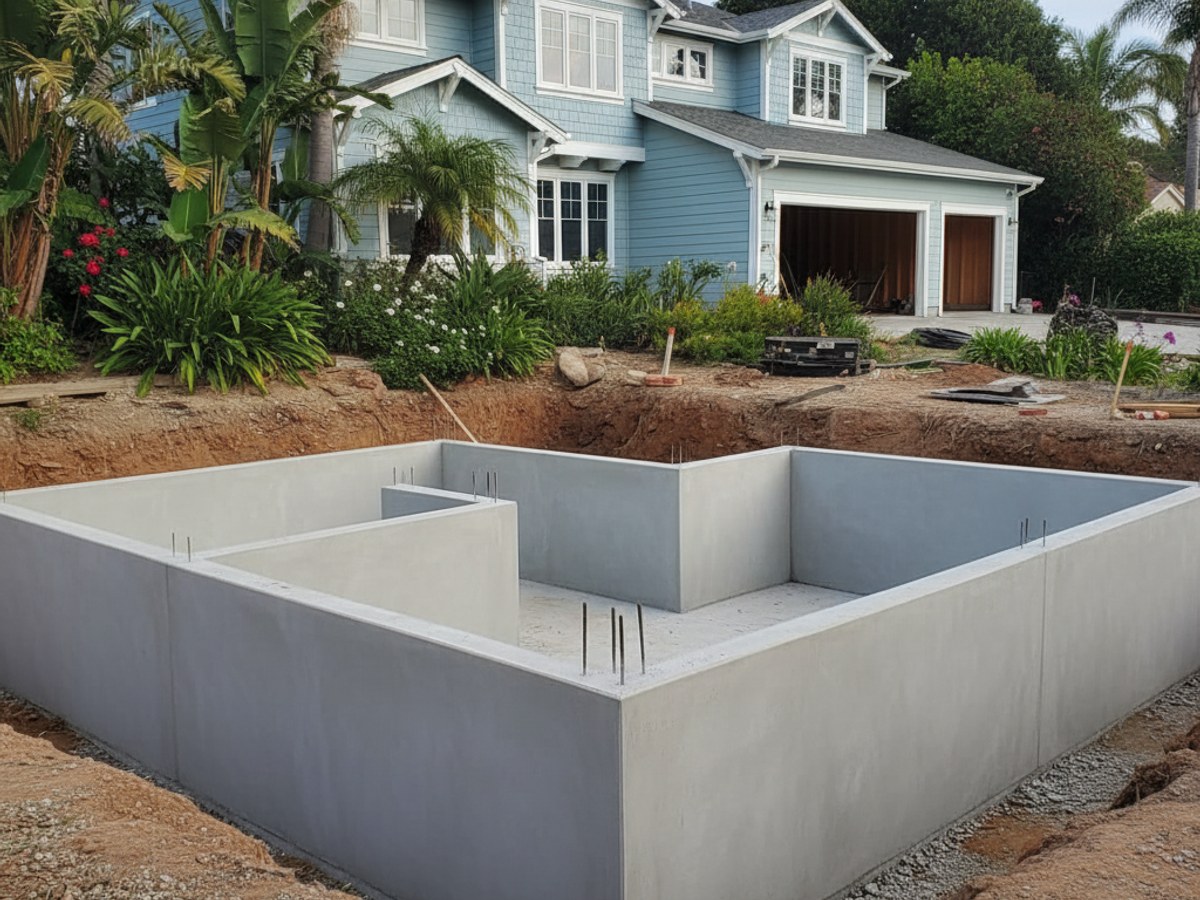
Sheds, shops, garages and additions all start with a slab poured flat and cured properly. We set forms square, place rebar or mesh where the load calls for it, and give the concrete enough time to cure before anything sits on it.

Concrete Sidewalks & Walkways

We pour walkways to the slope and joint spacing your city inspector expects. A sidewalk that traps water at the joints will crack years before it should.

Concrete Pool Decks

Pool decks need a broom finish or texture that stays slip resistant when wet. We slope the deck away from the pool edge so water runs off instead of pooling by the coping.

Concrete Steps & Porches

Steps get poured with the same forms and rebar work as any structural slab, just smaller. We match the rise and run to code so the steps feel right underfoot, not just look fine in a photo.

Concrete Leveling & Slab Lifting

If a slab has sunk but the concrete itself is still sound, we can raise it back to grade instead of tearing it out. It's cheaper than replacement and works for driveways, garage floors and walkways alike.

Concrete Retaining Walls

We build concrete retaining walls to hold back sloped yards and keep soil from washing into driveways after a hard rain. Drainage behind the wall matters as much as the wall itself, so we grade and pipe it before backfilling.

How It Works

Four steps, and no surprises in any of them.

01

We come and look

You tell us what you want doing, we look at what is actually there, and we ask the awkward questions early.

02

You get a price

In writing, itemised, free. If something might add cost later we flag it now rather than at the end.

03

We do the work

Same crew throughout. We cover your floors, keep the dust down and tidy up before we leave each day.

04

We walk it with you

You point out anything you are not happy with and we fix it before the invoice, not after.

Where We Work

All of this, across Shreveport, LA

Concrete crews travel throughout Shreveport, Bossier City and the surrounding towns listed below.

Shreveport, LA
Bossier City, LA
Marshall, LA
Minden, LA
Mansfield, LA
Springhill, LA
Haughton, LA
Greenwood, LA
Blanchard, LA
Vivian, LA
Benton, LA
Common Questions

Things worth asking

Questions that come up once a concrete project is underway.

Do I need a permit for a new driveway or patio?
Permits are typically required for new driveways, patios over a certain size, and any concrete work that changes drainage or sits near a property line. Permit requirements vary by parish and by job size, and pulling the permit is usually handled as part of the project by the contractor.
How long does a concrete driveway or patio take to pour and cure?
Forming and pouring a typical driveway takes one to two days, depending on size and weather. Concrete can usually be walked on after about three days and driven on after seven, though full cure strength takes closer to a month.
Can concrete work be done on a tight budget?
Costs on a concrete job can be adjusted by choosing a broom finish over stamped or colored concrete, reducing slab thickness where code allows, or phasing a large patio into smaller sections. Cutting corners on base prep or reinforcement to save money isn't a good trade-off, since that's what causes cracking and settling later.
Do you guarantee your concrete work?
Workmanship on concrete pours is typically guaranteed against defects in the work itself, such as improper finishing or joint placement, for a set period after completion. Concrete will still develop hairline cracks over time as it cures and the ground shifts, which is normal and not a defect.
Who will I be dealing with once the job starts?
A single point of contact usually manages a concrete job from the estimate through the final finish, so questions go to the same person throughout. On pour day, a full crew is on site since concrete has to be placed and finished before it starts to set.
What materials do you use for driveways and patios?
Standard concrete mixes for driveways typically run 3,500 to 4,000 psi, reinforced with rebar or wire mesh depending on the load and soil condition. Patios and walkways may use a lighter mix since they don't carry vehicle weight.
Can I stay in my house while concrete work is being done?
Living in the house during a driveway or patio pour is not a problem, since the work happens outside and doesn't affect utilities or interior access. Noise from concrete trucks and finishing equipment is generally limited to daytime hours during the pour itself.
What do I need to do to prepare the site before you arrive?
Clearing vehicles, patio furniture and anything stored on or near the area to be poured is the main prep needed before a crew arrives. Sprinkler lines, buried cables or gas lines near the work area should be pointed out ahead of time so they aren't damaged during excavation.
What happens if you find a problem once you start digging or removing old concrete?
Unexpected issues like soft or wet sub-grade, buried utility lines, or old concrete that's thicker than expected get addressed before the pour continues, with any cost or timeline change discussed first. Concrete should never be poured over a base that won't support it long term, even if that means a short delay.
How should I take care of new concrete after it's poured?
New concrete should be kept free of heavy vehicle traffic for about seven days and off-limits to salt or ice-melt products for at least a year, since those can damage the surface. Sealing a driveway or patio every two to three years helps protect the finish from oil stains, freeze-thaw damage and fading.

Not sure what you need?

Describe the problem and we will tell you what it probably is. No obligation.

Call (318) 661-9751